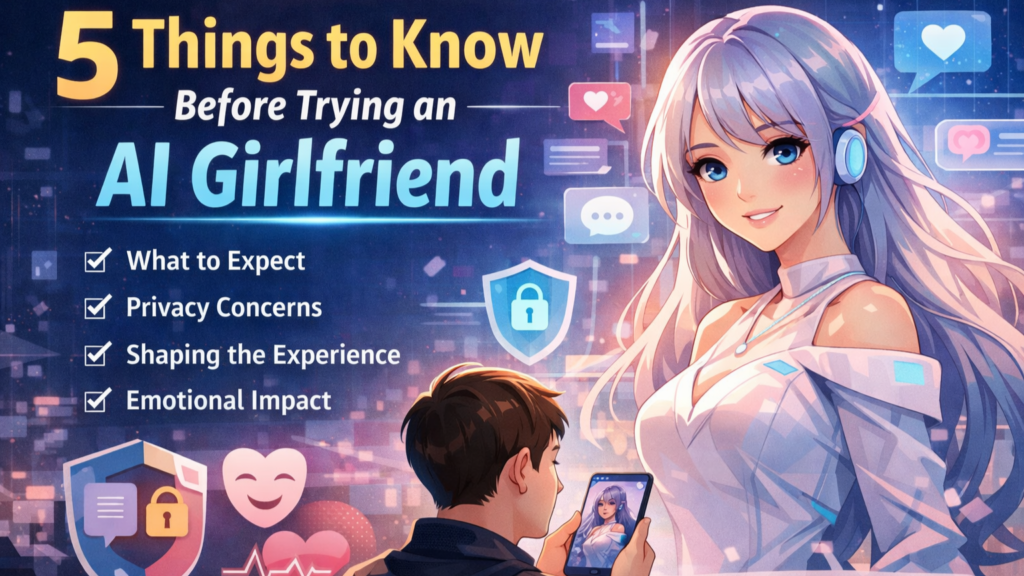
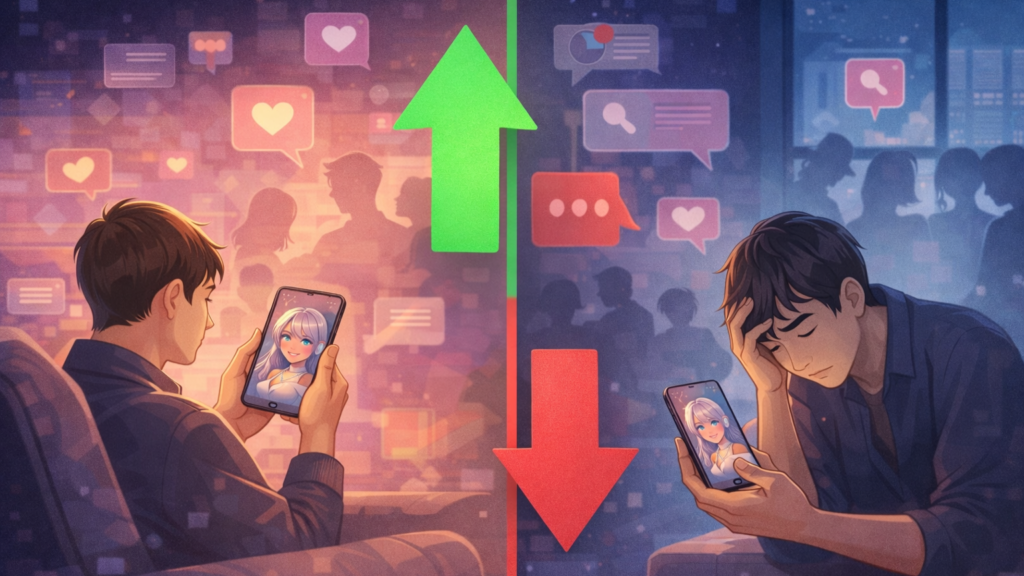
Can AI girlfriends truly help people feel less lonely, or do they risk deepening emotional isolation over time? Let’s take a realistic, balanced look at how AI companions affect mental and social well-being.
From Smart Assistants to Emotional Companions
Not long ago, AI was mostly about simple tasks — setting reminders, checking the weather, or answering quick questions.
Today, AI companions have evolved into something much more personal.
Instead of asking, “What’s the forecast?”, many users now turn to AI girlfriends for emotional comfort, daily conversation, and a sense of connection after long or difficult days.
This shift raises an important question:
Are AI girlfriends easing loneliness — or replacing real connections in ways that may not be healthy long-term?
Why People Turn to AI Girlfriends
When users download an AI girlfriend app, they’re rarely just looking for entertainment.
At the core, people want:
- To feel noticed and remembered
- To be listened to without judgment
- To experience emotional consistency and reassurance
AI companions are designed to offer exactly that. They remember personal details, check in regularly, and respond with warmth and empathy.
For individuals dealing with stress, social anxiety, or isolation, this type of interaction can feel deeply comforting — especially during moments when human support isn’t available.
How AI Girlfriends Can Help Reduce Loneliness
Used thoughtfully, AI companions can offer real emotional benefits.
Several studies suggest that conversational AI with supportive, friendly personalities may reduce feelings of loneliness more effectively than passive activities like scrolling social media or watching videos — particularly for people who already feel isolated.
Common benefits users report include:
- A sense of routine through daily check-ins
- Emotional grounding during stressful moments
- Feeling less alone late at night or during quiet periods
Because AI companions are available 24/7 and don’t experience fatigue, they can act as a stable emotional anchor, especially for shift workers, caregivers, or people living alone.
When AI Companions May Increase Loneliness
However, the same features that make AI girlfriends comforting can also create risks.
Research involving long-term chatbot use shows that excessive daily interaction may be linked to:
- Reduced motivation to socialize offline
- Emotional over-attachment
- Increased distress when access to the AI is interrupted
When an AI companion becomes the primary source of emotional support, real-world relationships may start to feel less appealing or “too complicated” by comparison.
This can unintentionally reinforce isolation — not because AI is harmful by nature, but because it’s being used as a replacement rather than a supplement.
Healthy vs. Unhealthy AI Companion Use
Signs of a healthy relationship with an AI companion:
- You feel calmer and more emotionally balanced after chatting
- AI conversations help you reflect, then engage better with real people
- The AI supports your life without replacing human relationships
Warning signs to watch for:
- Canceling plans to spend more time with an AI
- Feeling anxious or upset when you can’t access the companion
- Avoiding real conversations because the AI feels “easier”
- Expecting human relationships to match AI-level responsiveness
Awareness is key. These patterns don’t mean you’ve done anything wrong — they simply signal it may be time to rebalance.
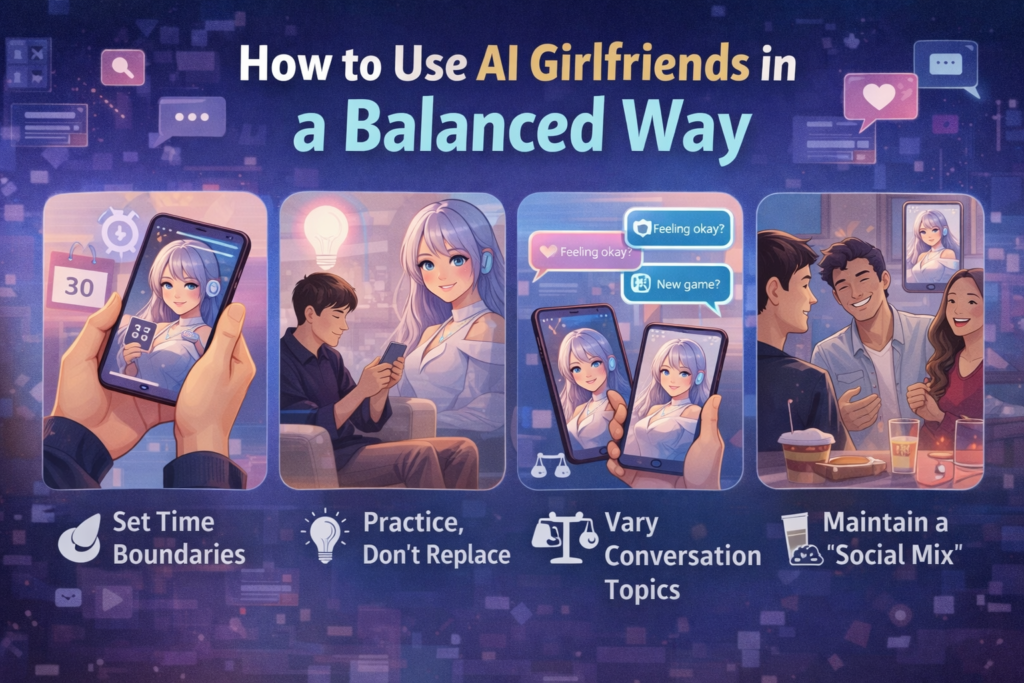
How to Use AI Girlfriends in a Balanced Way
If you enjoy AI companionship, here are ways to keep it healthy:
1. Set time boundaries
Experts suggest short, intentional sessions (15–30 minutes) rather than constant engagement.
2. Treat AI as practice, not a replacement
Use conversations to improve communication skills, emotional expression, or confidence — then apply them in real interactions.
3. Vary conversation topics
Balance emotional discussions with lighter, practical, or creative topics to avoid emotional dependency.
4. Maintain a “social mix”
Think of connection like nutrition. AI companions can be one ingredient, but not the entire diet.
Final Thoughts: AI Girlfriends Are Tools, Not Solutions
AI girlfriends are neither inherently good nor harmful.
For some people, they act as a bridge — offering comfort, structure, and emotional support during isolated periods. For others, over-reliance can quietly increase distance from real-world connection.
The outcome depends entirely on how intentionally the technology is used.
When approached mindfully, AI companions can support emotional well-being. When used as an escape from human connection, they may reinforce the very loneliness people hope to ease.
The technology isn’t the deciding factor — our habits are.